Residential insect intrusions compromise domestic hygiene, trigger respiratory allergens, and disrupt household comfort. Cockroach sanitation and micro-baiting prioritizes non-invasive remediation, beginning with a…
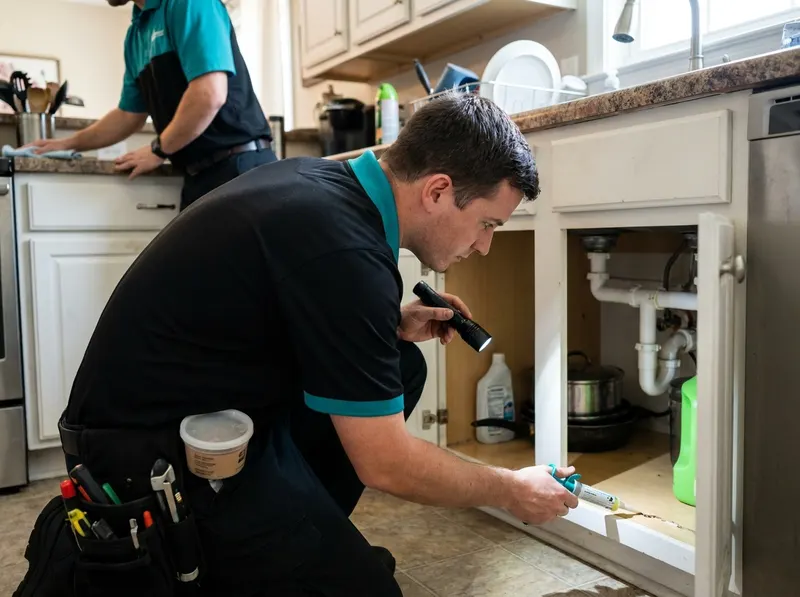
Residential insect intrusions compromise domestic hygiene, trigger respiratory allergens, and disrupt household comfort. Cockroach sanitation and micro-baiting prioritizes non-invasive remediation, beginning with a physical intervention rather than continuous chemical application. Technicians inspect high-humidity harborage zones behind refrigeration units, under sink basins, and along baseboard recesses common to historic properties in Germantown and Belmont-Hillsboro. The protocol removes aggregation pheromones, food debris, and cast skins using specialized HEPA-filtered extraction equipment compliant with the U.S. Environmental Protection Agency integrated pest management criteria. Removing competing food sources forces foraging populations toward strategic micro-doses of bait, accelerating colonial transfer through natural coprophagy and necrophagy.
The deployment utilizes pinpoint applications of precision baits incorporating active ingredients like dinotefuran, hydramethylnon, or indoxacarb, formulated according to guidelines from the National Pesticide Information Center. Rather than broad-spectrum liquid pyrethroids, micro-baiting uses volumetric placements measuring roughly 0.03 to 0.05 grams per spot inside hidden cracks, hinges, and electrical voids. This clinical containment method aligns with sanitation benchmarks verified by the Centers for Disease Control and Prevention Healthy Homes program, ensuring volatile chemical exposure remains at zero within living areas. The approach protects indoor air quality in modern airtight homes across The Nations and historic craftsman dwellings in East Nashville alike, bypassing the need to vacate properties during treatment.
Cockroach remediation in Davidson County requires adaptation to structural variety and regional moisture dynamics. Subfloor ventilation levels near riparian microclimates like Shelby Bottoms Greenway or the low-lying drainage zones of Donelson often foster American cockroach populations in crawlspaces. These species migrate upward through utility penetrations, regulated under local housing guidelines from the Metro Public Health Department. In higher-density multi-family settings around 12 South and Sylvan Park, German cockroaches disperse via shared wall voids. Technicians apply non-repellent juvenile growth inhibitors regulated under the Tennessee Department of Agriculture pesticide standards, arresting larval development without aggressive synthetic repellents that scatter infestations into adjoining rooms.
1. Complete physical diagnostic: Inspection of kitchen and bathroom sub-units, locating aggregations using high-lumen optical scopes.
2. Sanitation and void evacuation: HEPA extraction of live nymphs, adults, egg casings (oothecae), and lipid residues along moisture access points.
3. Micro-bait placement: Distribution of measured gel matrices directly into deep structural fractures according to National Pest Management Association industry standards.
4. Growth regulator installation: Deployment of point-source insect growth regulators conforming to the NSF International environmental protocols to halt reproductive cycles.
5. Moisture and harborage review: Analysis of perimeter drainage, foundation vents, and interior plumbing junctions to seal entryways permanently.
Every job gets a firm, written price after a free on-site visit.
Tell us about your cockroach sanitation and micro-baiting job in Nashville and we'll send a clear, written quote, usually the same day.
 BirchNova Exterminating